
Highlighted Major Projects: Academic Year 2024–2025
During my graduate studies in the Instructional Design, Development, and Evaluation (IDD&E) program at Syracuse University in the 2024–2025 academic year, I completed numerous projects. From those, I have selected six major projects that collectively demonstrate my instructional design competencies across all phases of the Instructional Systems Design (ISD) process, guided by the ADDIE framework–Analysis, Design, Development, Implementation, and Evaluation. These projects highlight my ability to apply instructional design principles and learning theories to real-world challenges, particularly in the areas of eLearning, higher education, faculty development, corporate training, and any setting where evidence-based solutions are needed to address authentic problems. From designing learner-centered courses to conducting formative evaluations and integrating multimedia components, this portfolio presents a comprehensive representation of my applied expertise in instructional design.
Major Project 1
Project Overview
Project Context
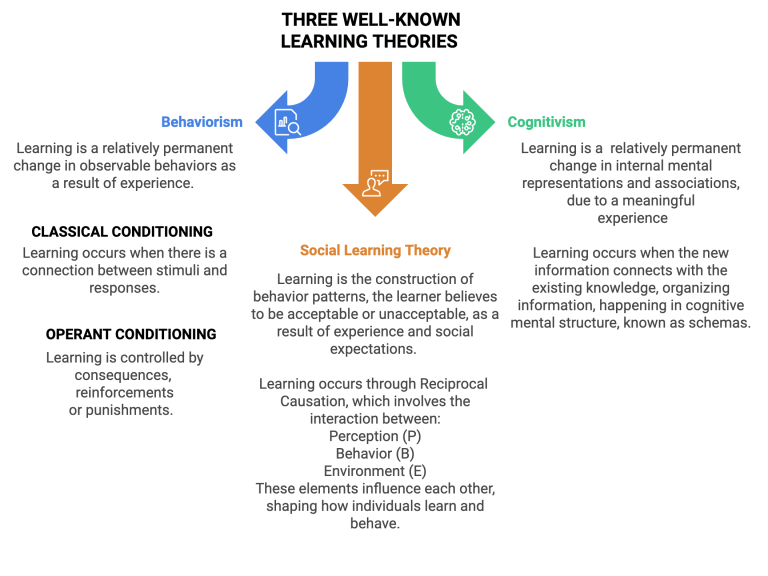
As part of the IDE 621 course in the IDD&E M.S. program at Syracuse University, I developed a web-based Knowledge Base that explores how foundational learning theories, such as Behaviorism, Cognitivism, and Social Learning Theory, inform effective instructional design. Doing this project, I focused on analyzing and synthesizing theoretical principles and aligning them with established instructional models such as Programmed Instruction, Gagné’s Nine Events of Instruction, and Bandura’s modeling strategies. I designed the project with a focus on clarity, accessibility, and academic rigor by creating infographics, realistic instructional scenarios, theory-specific evaluation checklists, and reflective summaries to enhance conceptual understanding. While grounded in theoretical analysis, the project also involved instructional design decisions to visually organize and communicate content in a learner-centered format. This project primarily reflects the Analysis phase of the ADDIE model
Knowledge Base Project
Project Title: Knowledge Base Site–Learning and Instructional Design Theories
Author: Soroth San
Project Description:
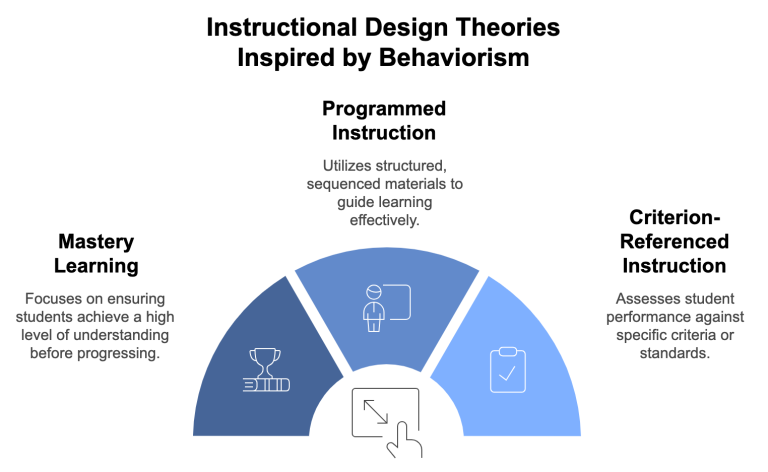
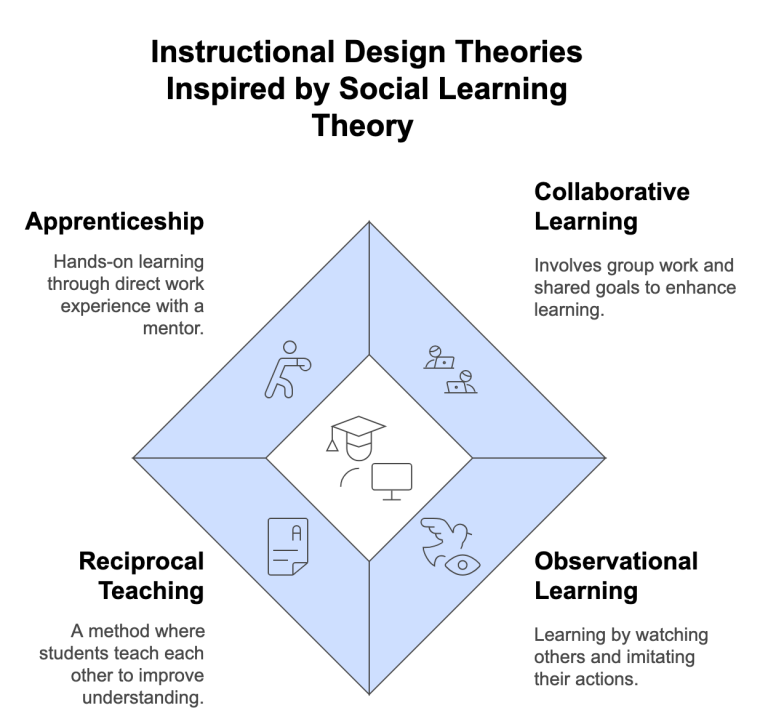
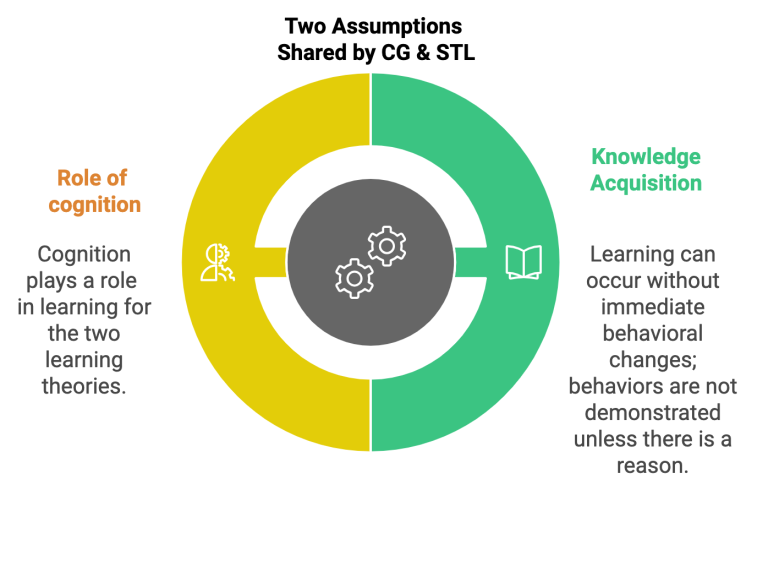
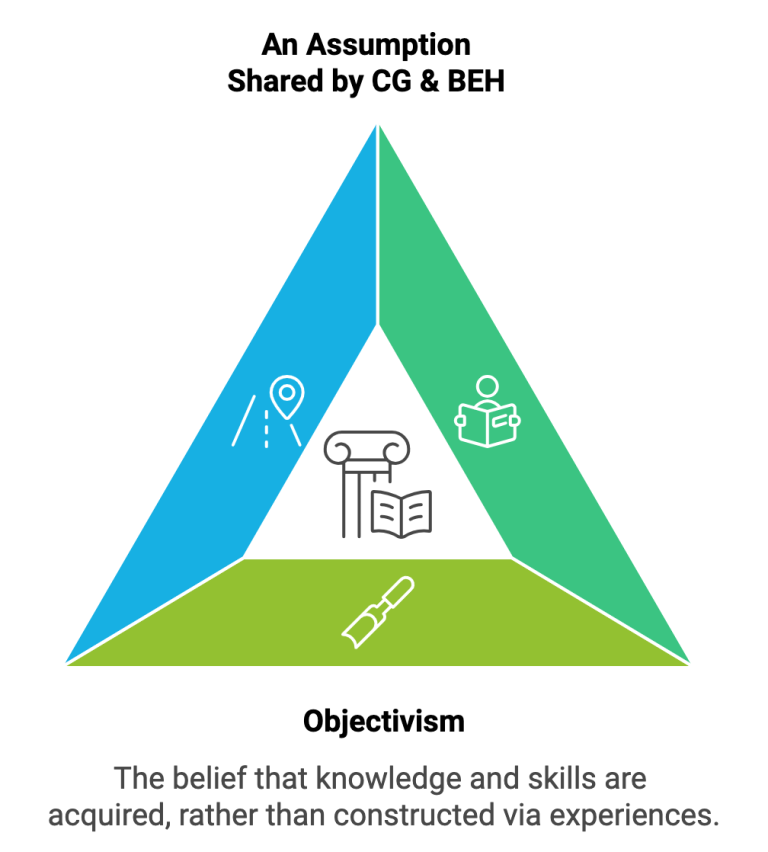
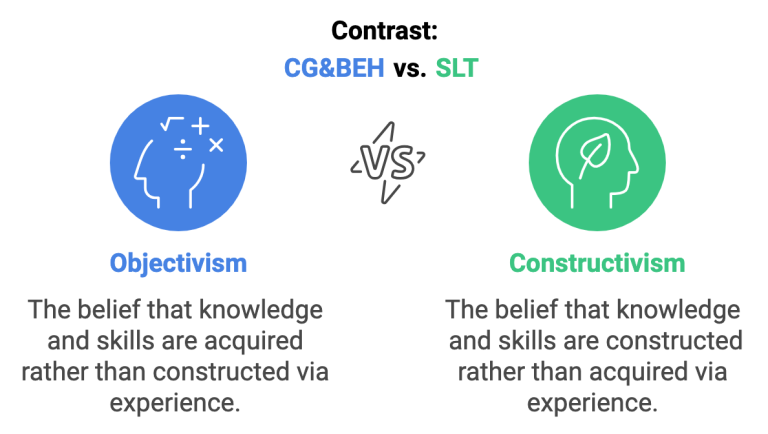
Developed as a final project for the IDE 621 course, this website-based knowledge base explores how foundational learning theories inform effective instructional design. It highlights three core theories, such as Behaviorism, Cognitivism, and Social Learning Theory, and connects each to relevant instructional models such as Programmed Instruction, Gagné’s Nine Events of Instruction, and Bandura-inspired modeling strategies.
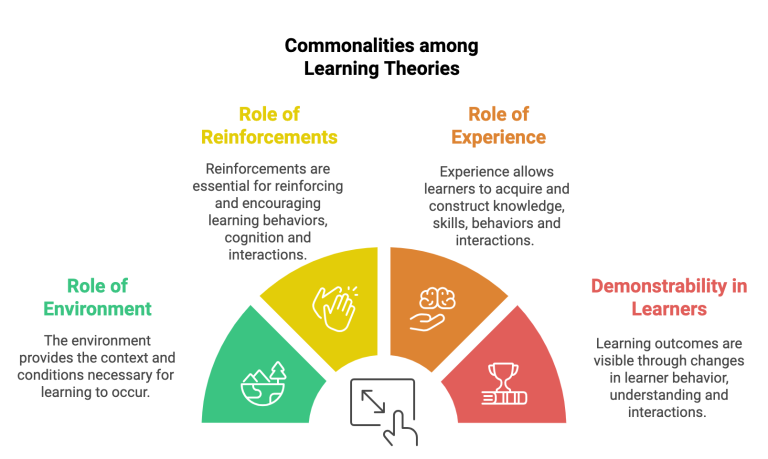
To support learner understanding, the site features paired infographics for each theory: one explaining key theoretical concepts, and another demonstrating how those concepts translate into practical instructional strategies. Realistic instructional scenarios and theory-specific evaluation checklists are also included, offering educators tools to assess alignment between theory and practice. Reflective summaries examine each theory’s instructional strengths, limitations, and applications across learning contexts.
The site emphasizes clarity, accessibility, and academic rigor. It was designed to transform complex theoretical material into an engaging, learner-centered resource, combining instructional design principles with strong visual communication and digital design.
Completing this project required around 35 hours and significantly enhanced my abilities in Google Sites, visual design, and infographic creation. Most importantly, it pushed me to translate complex learning theories into a clear, learner-focused structure while upholding both academic rigor and visual coherence.
View the full Knowledge Base site here.
Reflection & Self-Assessment
Developing this knowledge base was more than an academic task. It served as a deeply reflective and personally enriching experience. The process enhanced my grasp of how learning takes place, whether through behavioral reinforcement, cognitive structuring, or social interaction, and deepened my awareness of how these theoretical frameworks should directly inform instructional design decisions.
One of the most profound shifts during this project was in my perspective on instruction itself. Rather than viewing instruction through the lens of content delivery, I began to consider it from the learner’s point of view. This shift is essential for instructional designers, whose role is not just to organize content but to design experiences that anticipate how learners engage, think, and grow through interaction with the material.
A particularly meaningful outcome of this project is its real-world application. I intend to maintain the site and supporting materials to make them more accessible to educators and trainers in my home country, where formal training in instructional design is limited. I believe this resource, grounded in theory, visually engaging, and practically oriented, can serve as a valuable entry point for those looking to improve teaching and learning through evidence-based approaches.
This experience not only reinforced theoretical understanding but also shaped my appreciation of instructional design as a field that merges analytical thinking with creative problem-solving. It affirmed the value of thoughtful, learner-centered design and strengthened my commitment to making instructional content meaningful, inclusive, and accessible.
Major Project 2
Project Overview
Project Title: Hybrid Training for Student Employees on Title IX Mandated Reporting
Link: Full Project Paper
Course: IDE 631 – Instructional Design and Development I
IDD&E Phase: Planning and Analysis, Design and Development, Implementation and Evaluation, Management and Leadership
List of Contributors: Soroth San, Emma Pate, and Chynara Turatbek Kyzy
Project Context
As part of IDE 631 at Syracuse University, I collaborated on an instructional design project aimed at addressing a performance gap in Title IX mandated reporting among student employee Supplemental Instructors (SIs) at the University of North Texas. I was responsible for development, storyboarding, and evaluation. I contributed to creating a hybrid training solution consisting of a self-paced online module and an in-person scenario-based workshop. Through this project, I applied the full ADDIE process, analyzing learner needs, designing instruction, developing materials, planning implementation, and creating formative and summative evaluation strategies to ensure performance improvement.
Hybrid Training for Student Employees on Title IX Mandated Reporting
Project Title: Hybrid Training for Student Employees on Title IX Mandated Reporting
Contributors: Soroth San, Emma Pate, and Chynara Turatbek Kyzy
Project Description:
This assignment was completed for IDE 631 – Instructional Design and Development I (Fall 2024, Syracuse University). Our team designed a hybrid instructional solution to address performance gaps in Title IX understanding and reporting among Supplemental Instructors (SIs) at the University of North Texas. We dThis assignment was completed for IDE 631 – Instructional Design and Development I (Fall 2024, Syracuse University). Our team designed a hybrid instructional solution to address performance gaps in Title IX understanding and reporting among Supplemental Instructors (SIs) at the University of North Texas. We developed a 1.5-hour self-paced online module and a 1.5-hour in-person scenario-based workshop. I contributed to the Development, Storyboarding, and Evaluation phases, integrating interactive content and real-world applications. The training focuses on legal responsibilities, scenario recognition, and confident reporting practices. This project strengthened our skills in Needs Analysis, Instructional Design, and Evaluation, while addressing a real-world compliance issue in higher education.eveloped a 1.5-hour self-paced online module and a 1.5-hour in-person scenario-based workshop. I contributed to the development, storyboarding, and evaluation phases, integrating interactive content and real-world applications. The training focuses on legal responsibilities, scenario recognition, and confident reporting practices. This project strengthened our skills in needs analysis, instructional design, and evaluation, while addressing a real-world compliance issue in higher education.
View the full Final Project Report here.
Reflection & Self-Assessment
This project significantly strengthened my ability to design instruction that addresses real performance gaps in the workplace. I learned how to analyze complex problems, such as student employees’ confusion about Title IX, and translate them into actionable learning objectives. Through developing the storyboard and evaluation plans, I refined my skills in aligning content, assessment, and delivery across both online and in-person formats. One challenge was designing realistic, scenario-based learning while maintaining legal accuracy and learner engagement. Collaborating with my team helped overcome this, allowing us to blend our expertise effectively. This experience shifted my perspective on instructional design from focusing solely on content delivery to emphasizing behavioral outcomes and learner confidence. I now recognize the powerful role that instructional design plays in promoting legal compliance, empathy, and workplace readiness. The final product demonstrates how thoughtfully designed training is able to reduce risk, foster confidence among SIs, and contribute to a culture of safety and accountability in higher education settings.
Major Project 3
Project Overview
Project Title: Front-End Analysis to Improve Study Abroad Participation at Jayavarman VII High School
Link: Full Project Paper
Course: IDE 712 – Analysis for Human Performance Technology Decisions
IDD&E Phase: Planning and Analysis, Design and Development, and Evaluation
List of Contributors: Soroth San, Emma Pate, and Jessica Calhoun
Project Context
As part of the IDE 712 course at Syracuse University, my team and I conducted a Front-End Analysis (FEA) aimed at increasing study abroad participation among students at Jayavarman VII High School in Cambodia. Working collaboratively, we identified a critical performance gap: despite strong interest, no students had enrolled in international universities. To uncover the root causes of this disparity, we carefully applied established models from Human Performance Technology (Wile and Harless) along with Action Mapping. Our analysis revealed key barriers, including limited awareness, skill deficits, and socio-economic constraints. This project enhanced my ability to apply systematic, evidence-based analysis to develop contextually relevant solutions that drive educational improvement.
Front-End Analysis to Improve Study Abroad Participation at Jayavarman VII High School
Project Title: Front-End Analysis to Improve Study Abroad Participation at Jayavarman VII High School
Contributors: Soroth San, Emma Pate, and Jessica Calhoun
Project Description:
This course-based project was completed for IDE 712 – Analysis for Human Performance Technology Decisions (Spring 2025, Syracuse University). It investigated barriers to study abroad participation among students at Jayavarman VII High School in Cambodia. Using Human Performance Technology (HPT) frameworks and a Planning and Analysis approach, the team conducted surveys, interviews, and focus groups to identify root causes and performance gaps. Based on this Needs Assessment, the project’s Solution Design phase proposed actionable, data-driven strategies to improve study abroad involvement. For example, proposed initiatives included targeted awareness campaigns, language support workshops, and scholarship information sessions tailored to student needs. These recommendations aim to address language barriers, financial concerns, and lack of program awareness identified as key obstacles. Throughout the process, all team members contributed actively and collaboratively. I led the development of the project plan and outline, designed the report’s table of contents and cover page, and ensured consistency and accuracy through continuous editing, feedback, and coordination of both deliverables (report and presentation). This project reflects key phases of Planning and Analysis, Design and Development, and Evaluation in the IDD&E process.
View the full FEA Final Project Report here.
Reflection & Self-Assessment
This project deepened my understanding of how to conduct a comprehensive Front-End Analysis to address real-world performance problems. I learned to apply HPT frameworks, particularly Wile’s and Harless’s models, to investigate the gap between students’ aspirations and their actual participation in international education. I strengthened my skills in stakeholder analysis, PESTLE environmental scanning, and data-informed root cause analysis. One challenge was synthesizing diverse data sources, including surveys, interviews, and focus groups, into a coherent narrative while ensuring each proposed solution directly aligned with identified causes. I overcame this by applying action mapping and prioritizing practical, context-relevant strategies. This experience shifted my thinking from assuming training as the default solution to examining systemic and motivational factors. I now see performance improvement as a strategic, multi-layered process grounded in evidence. This project contributes to the field by modeling how front-end analysis can generate equitable, sustainable, and high-impact interventions tailored to underserved educational contexts.
Major Project 4
Project Overview
Project Title: Formative Evaluation of the SMART Money Budgeting Module
Link: Full Project Paper
Course: IDE 641 – Techniques in Educational Evaluation
IDD&E Phase: Evaluation, Design and Development, Planning and Analysis and
List of Contributors: Soroth San, Emma Pate and Chynara Turatbek Kyzy
Project Context
As part of IDE 641: Techniques in Educational Evaluation, my team and I conducted a formative evaluation of the Week 1 Budgeting Module from the SMART Money Peer Counselor Internship at Syracuse University. We assessed the instructional materials for clarity, relevance, organization, engagement, and practical application. To gather feedback, we facilitated expert and user interviews, then analyzed the qualitative data using, initial, focused and thematic coding techniques. This process allowed us to generate actionable insights to guide instructional revisions. The project strengthened my skills in facilitation, data analysis, and reporting, and enhanced my ability to support evidence-based improvements in asynchronous financial literacy instruction.
Formative Evaluation of the SMART Money Budgeting Module
Project Title: Formative Evaluation of the SMART Money Budgeting Module
Contributors: Soroth San, Emma Pate and Chynara Turatbek Kyzy
Project Description:
In Spring 2025, as part of IDE 641: Techniques in Educational Evaluation at Syracuse University, I co-led a team of three to conduct a formative evaluation of the SMART Money Budgeting Module. This class project involved comprehensive planning and analysis of instructional content and objectives, followed by implementing evaluation strategies to gather feedback on learner engagement and effectiveness. We developed evaluation instruments such as surveys and observational protocols aligned with the module’s learning objectives, analyzed data to identify trends, and synthesized findings into actionable recommendations. As co-leader, I coordinated project planning, ensured team alignment, shared authorship of all report sections, and incorporated peer feedback to improve clarity and consistency. Throughout this process, I engaged in ongoing professional development by refining evaluation methodologies, reflecting on our collaborative workflow, and co-presenting our findings. This experience demonstrated my strengths in educational evaluation design and implementation, as well as my commitment to continuous improvement.
View the full Formative Evaluation Report here.
Reflection & Self-Assessment
Conducting this formative evaluation project enhanced my understanding of how to systematically assess instructional materials to improve their clarity, relevance, and instructional effectiveness. I developed skills in preparing evaluation tools, facilitating expert and user interviews, and applying structured qualitative coding techniques, including initial, focused and thematic codings. A major challenge involved supporting users with different backgrounds, particularly when facing language and cultural barriers, which I addressed by adapting interview strategies and clarifying participant roles. This experience changed my perspective on evaluation: I began to see it not just as a data-gathering activity but as a dynamic, learner-centered process requiring flexibility and cultural sensitivity. The evaluation process also reinforced the importance of defining criteria early, simulating real-world use, and asking probing, purposeful questions. Ultimately, this project contributed to my growth as a thoughtful evaluator and instructional designer, demonstrating that effective evaluation is critical for improving learner experiences as a result of refining instruction before full implementation.
Major Project 5
Project Overview
Project Title: The San, Pate, Calhoun Model: Increasing Study Abroad Awareness in Cambodia
Link: Full Project Paper
Course: IDE 632 – Instructional Design and Development II
IDD&E Phase: Planning and Analysis, Design and Development, Implementation and Evaluation, Management and Leadership
List of Contributors: Soroth San, Emma Pate, and Jessica Calhoun
Project Context
As part of IDE 632 at Syracuse University, I co-developed an instructional design model aimed at increasing study abroad participation among Cambodian high school students, specifically at Jayavarman VII High School. Guided by Front-End Analysis and Human Performance Technology principles, we identified key barriers including limited awareness, insufficient academic readiness, and cultural constraints. I contributed to designing a multi-phase intervention grounded in Gagné’s Nine Events and supported by a strategic communication and diffusion plan. This project strengthened my ability to create research-based, scalable solutions for real-world educational access challenges.
The San, Pate, Calhoun Model: Increasing Study Abroad Awareness in Cambodia
Project Title: The San, Pate, Calhoun Model: Increasing Study Abroad Awareness in Cambodia
Contributors: Soroth San, Emma Pate, and Jessica Calhoun
Project Description:
In the Spring 2025 IDE 632 course at Syracuse University, Emma Pate, Jessica Calhoun, and I jointly developed the San, Pate, Calhoun Model to increase study abroad awareness in Cambodia. The purpose of this group project was to develop a practical and culturally responsive instructional model to address the lack of awareness and support preventing Cambodian high school students from pursuing higher education abroad. Grounded in Front-End Analysis and informed by stakeholder interviews and focus groups, the project identified key barriers, including limited access to information, lack of counseling, and socio-cultural constraints, and designed a multi-phase intervention model to improve student readiness and motivation.
We addressed project phases including Planning and Analysis, Design and Development, Implementation and Evaluation, and Management and Leadership, resulting in a comprehensive instructional framework. In particular, I organized project materials by creating the table of contents, proposing content structure, synthesizing feedback from the professor and peers, outlining the report, designing the cover page, and overseeing editing and quality control for both the report and slide presentation.
Each phase was refined through iterative feedback, reflecting our commitment to instructional design best practices. Through this project, our team applied instructional design theories (e.g., Gagné’s Nine Events, Advance Organizers), change models (Rogers, Ely, Kotter), and strategic communication principles to create a scalable and sustainable solution. We learned how to synthesize data, collaborate across roles, iterate design prototypes, and produce a contextually grounded model that fosters awareness, guidance, support, reinforcement, and sustainability. The integrated contributions highlight both leadership and teamwork, culminating in a polished final report and presentation that embody the team’s shared vision, rigorous methodology, and diverse expertise.
View the full Final Project Report here.
Reflection & Self-Assessment
This project strengthened my ability to integrate instructional design, front-end analysis, and change theory into a practical, context-responsive model. I learned how to investigate real-world barriers, such as a lack of awareness, guidance, and support structures, and translate those findings into a multi-phase intervention tailored for Cambodian high school students. Designing the SanPateCalhoun Model allowed me to apply frameworks, such as Gagné’s Nine Events, Rogers’ Diffusion of Innovations, and Ely’s Conditions of Change in meaningful ways. One major challenge was developing a model that could visually narrate the story of change. My team and I underwent an iterative process, refining the design seven times, until we achieved a version that conveyed the model’s phases in a more persuasive, compelling, and coherent visual format. This experience shifted my thinking from theoretical application to systems-level design and sustainable impact. The final product contributes to the field by demonstrating how instructional design can address complex social challenges through scalable, culturally grounded solutions.
Major Project 6
Project Overview
Project Title: Effective Patient Communication Techniques for Health Professionals
Link: Capstone Project
Course: IDE 737 – Advanced Instructional Design (Capstone Course) [Independent Study)
IDD&E Phase: Planning and Analysis, Design and Development, Implementation and Evaluation
List of Contributors: Soroth San
Project Context
As part of IDE 737 at Syracuse University, I developed a Capstone Project Website showcasing my instructional design competencies through the creation of a targeted instructional unit. This new instructional unit is designed for third-year undergraduate students in nursing, medicine, or public health, most of whom have completed coursework in medical terminology, ethics, and introductory patient care. While these courses offer foundational skills, most students have had limited exposure to structured training in patient communication beyond simulations or internships. Delivered in person over a 2-hour session, the unit strengthens patient-centered communication through interactive case discussions, role-plays, and structured reflection. With an emphasis on awareness of cultural differences, dynamics, and sensitivities, learners apply techniques such as empathy, active listening, questioning, clear explanation with plain language, ask-tell-ask, and teach-back approaches, using printed and digital tools. The unit enhances confidence and competence, preparing students to communicate clearly and compassionately in real clinical settings.
Effective Patient Communication Techniques for Health Professionals
Project Title: Effective Patient Communication Techniques for Health Professionals
Contributors: Soroth San
Project Description:
This Capstone Website project was completed for IDE 737 – Advanced Instructional Design (Capstone Course) at Syracuse University in Summer 2025. It represents the culmination of my instructional design training by showcasing my competencies through the development of a complete instructional unit titled Effective Patient Communication Techniques for Health Professionals, tailored for third-year undergraduate students majoring in nursing, medicine, or public health.
These students had typically completed foundational coursework in medical terminology, ethics, and introductory patient care but had received minimal structured training in patient communication beyond simulations and internships. To address this gap, I designed a 2-hour in-person session that strengthens patient-centered communication through interactive case-based discussions, role-play exercises, and guided reflection. With an emphasis on cultural awareness, sensitivity, and empathy, students practiced key communication techniques such as active listening, open-ended questioning, ask-tell-ask, plain language explanation, and the teach-back method using both printed and digital tools. The goal was to help future health professionals communicate more clearly, confidently, and compassionately in clinical settings.
This project integrated the instructional design competencies of Planning and Analysis, Design and Development, and Implementation and Evaluation. I conducted a learner and contextual needs analysis, designed authentic case scenarios, created instructional materials, and developed assessment tools. I engaged in an iterative design process by refining the instructional unit through multiple revisions of the storyboard. I also conducted a personal evaluation using an instructional critique framework and incorporated peer instructional critiques, professor feedback, and expert consultations. These included interviews with a physician assistant with 46 years of clinical experience and a professor with 49 years of teaching experience, whose feedback helped validate the instructional relevance and usability of the unit.
The Capstone Website includes five key components: Storyboard, Instructor Resources/Guides, Learner Resources/Guide, Reflection Journal, and Instructional Critiques, where feedback and comments were collected from peers, the professor, and two experts. I also applied cognitive and reflective learning strategies to foster deep learning and skill transfer among students.
Through this project, I applied key instructional design principles such as Merrill’s First Principles of Instruction, Gagné’s Nine Events of Instruction, and learner-centered pedagogy. The final product is a focused instructional unit that evolved into a comprehensive, learner-centered experience. It demonstrates my growth as an instructional designer and prepares students to face real-world patient communication challenges with empathy, confidence, and cultural awareness.
View the full Capstone Project Website here.
Reflection & Self-Assessment
Engaging in this Capstone project deepened my understanding of instructional design as both a systematic and reflective practice. Designing an instructional unit on effective patient communication allowed me to integrate key principles from theory into real-world application, particularly Gagné’s Nine Events, Merrill’s First Principles, and strategies that emphasize learner-centered, culturally responsive instruction. One of the most meaningful aspects of this process was applying iterative evaluation. Through structured self-assessment, peer feedback, and expert critiques, from both medical and instructional design perspectives, I revised the unit multiple times to enhance clarity, instructional flow, and learner engagement.
A major challenge involved aligning the medical content with instructional strategies that would be both practical and engaging for students with diverse clinical backgrounds. I overcame this by refining my storyboard and adjusting activities to be more interactive and contextually relevant. This experience reshaped my view of evaluation, not merely as a concluding step, but as an ongoing, formative process essential to meaningful learning design.
Ultimately, this Capstone project strengthened my competencies in planning, designing, and evaluating instruction. It also affirmed my identity as a thoughtful, flexible instructional designer, one who values collaboration, critical reflection, and learner experience at the heart of design.